
If you have spent any time reading about piercing jewellery, you will have seen the words flat back labret again and again, usually alongside a piercer recommending them. There is a good reason for that. Flat back labrets are one of the most comfortable, versatile and healing friendly styles of jewellery you can wear, and they have quietly become the default for everything from lobes to cartilage. This guide explains what they are, why they are so loved, and how to choose and wear them.
The name sounds technical, but the idea is simple, and once you understand it you will probably wonder why anyone wears anything else for a healing piercing.
What a flat back labret actually is
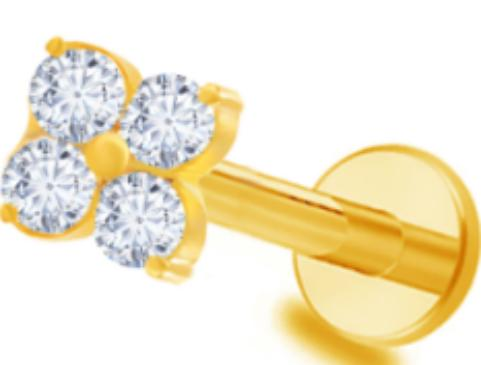
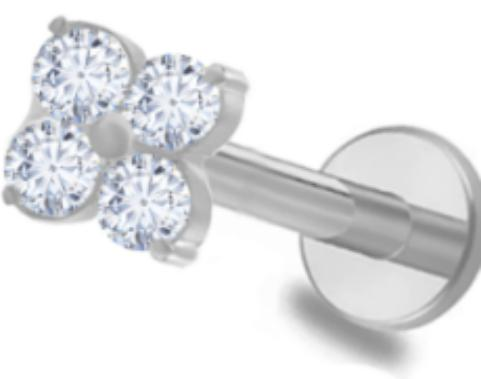
A flat back labret has three parts. There is a straight post, or bar, that goes through the piercing. On one end is a flat disc that sits flush against the skin behind the piercing. On the other end is the decorative top, the part you see, which might be a plain ball, a sparkling gem or a shaped design. The defining feature is that flat disc at the back, which replaces the clasp, butterfly back or curved wire that other earrings use.
Why piercers love them for healing
That flat back is the whole point. Because it is smooth and flat, there is no clasp digging in, no wire curving behind the ear and nothing to trap bacteria or catch on hair and clothing. It sits comfortably against the skin, which means far less snagging and tugging on a healing piercing. Less disturbance means calmer healing, which is exactly why piercers reach for flat back labrets when they fit initial jewellery.
Comfortable enough to sleep on
Anyone who has tried to sleep with a traditional stud and its poky butterfly back knows the problem. A flat back labret solves it. The flat disc rests against the skin without pressing a clasp into you, so sleeping on a lobe piercing is far more comfortable, and even cartilage piercings are easier to live with. For a piercing that needs months to heal, that everyday comfort makes a real difference to whether the healing goes smoothly.
Threadless flat backs, and how they work
Most flat back labrets are threadless, also called push in. The decorative top has a small pin that pushes into the hollow bar and holds by tension, with no screw thread to line up. This makes them quick to change and lets you mix and match tops on the same bar, so one comfortable labret can wear many different looks. If you would like the mechanics, my guide on threadless versus threaded jewellery covers it, along with how to insert and remove the tops.
Where flat back labrets shine
Their versatility is remarkable. In the lobe they are comfortable for everyday wear and for sleeping. On the helix and flat they sit neatly and show off a top beautifully. In the tragus and conch their low profile is ideal. Because the same style works across so many placements, a curated ear built mostly from flat back labrets looks cohesive and stays comfortable, which is a big part of their appeal for anyone planning a full stack, as covered in my curated ear guide.
Getting the size right
Two measurements matter. The gauge is the thickness of the bar and must match your piercing so the piece sits securely. The length is how long the post is, which decides how snug the labret sits against your skin, with a little extra length allowed early on for swelling and a shorter length once healed. Getting both right is what makes a labret feel like it belongs, and the size guide walks through gauge and length with a diagram.
Material matters just as much
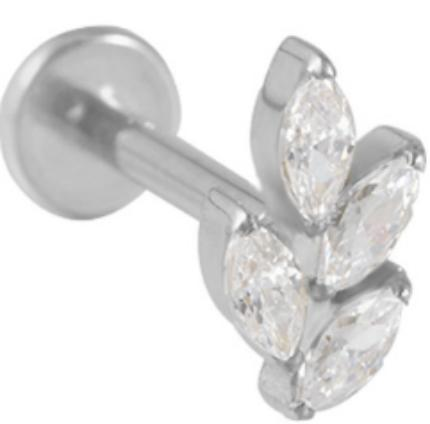
Because a flat back labret sits in close contact with your skin around the clock, the metal it is made from is as important as its shape. The best choice is nickel free implant grade ASTM F-136 titanium, which is body safe, lightweight and holds a lovely gold or silver finish. If you want to understand why the material matters so much for a healing piercing, my guide on safe metals explains it in full.
Caring for your labrets
Flat back labrets are low maintenance. Keep the piercing clean with a simple saline routine while it heals, wipe the jewellery before you change tops, and store your tops somewhere they will not get scratched. Handle the threadless pin gently and it will keep its spring for a long time. That is really all there is to it, which is another reason these pieces are such easy companions.
If you are choosing jewellery for a new piercing, or simply want your everyday pieces to be more comfortable, a flat back labret is very hard to beat. Comfortable to sleep in, kind to healing skin, endlessly restyleable and safe against your body, it is the quiet workhorse of a beautiful ear.
Flat back versus a butterfly back
The traditional earring uses a butterfly back, that little sprung clasp that pushes onto the post behind the ear. Anyone who has worn one knows the downsides, as the clasp digs in when you lie down, traps skin oils and hair, and is fiddly to line up. A flat back labret replaces all of that with a single smooth disc. There is nothing to spring, nothing to poke you and far less to catch on, which is exactly why it is kinder to a healing piercing and more comfortable for everyday wear.
Flat back versus a screw back stud
Some studs use a screw on ball at the back, which is more secure than a butterfly but still leaves a bump of metal pressing behind the ear, and threading it on can be fiddly. Externally threaded versions also drag a screw thread through the piercing every time, which a healing piercing will not thank you for. The flat back sidesteps all of this by keeping the back flat and smooth and, in a threadless design, removing the screw entirely, so it combines security with genuine comfort.
Choosing your tops
Half the fun of flat back labrets is the tops. From a simple polished ball to a single sparkling gem to shaped designs, the decorative front can be swapped to suit your mood, all on the same comfortable bar. Because the system is interchangeable, a small collection of tops gives you many looks, and you can mix gold and silver tones across your ear too, as covered in my guide on styling a two tone ear. One comfortable labret can quietly wear a dozen different faces.
A few common questions
Will a threadless flat back fall out? Not when the pin tension is set correctly, and a quick press to check now and then is all it needs. Can you sleep in them? Yes, and that is one of their great advantages over clasp backs. Are they only for lobes? Not at all, as they suit the helix, flat, tragus and conch beautifully. And can you change the top yourself once healed? Absolutely, and my guide on changing your jewellery safely walks you through how.
What sizes flat backs come in
Flat back labrets come in a range of gauges and lengths so they can fit everything from a lobe to a snug cartilage piercing. The gauge is the thickness of the bar and needs to match your piercing, while the length decides how snug the flat back sits, with a little extra allowed for swelling in a fresh piercing and a shorter length once it has healed and been downsized. The size guide walks through gauge and length with a diagram so you can choose the right fit with confidence rather than guessing.
Styling flat backs across an ear
Because one comfortable style works across so many placements, flat back labrets are a brilliant foundation for a curated ear. Using them throughout gives an ear a cohesive, considered feel, and because the tops are interchangeable you can vary the sparkle from piece to piece while keeping the same easy comfort everywhere. Mix gold and silver tops, add the occasional hoop for movement, and you have a whole ear that is as pleasant to sleep in as it is to look at. My curated ear guide shows how to plan it.
All told, the flat back labret earns its reputation. It is comfortable enough to sleep in, kind to a healing piercing, easy to restyle, safe against your skin and suited to almost every placement on the ear. If you are choosing jewellery for a new piercing or simply want your everyday pieces to feel better, it is very hard to do better than a well made flat back in nickel free titanium, and it will likely become the style you reach for again and again.
If you would like a hand choosing your first flat back labret, or working out which gauge and length you need, message me any time and I will happily talk it through with you. There is never a silly question when it comes to your own piercing, and I would rather you asked than guessed.
Trusted sources
The Association of Professional Piercers recommends flat, comfortable styles for fresh piercings in their guide to jewellery for initial piercings, and their aftercare advice pairs nicely with it.
Gemma
Leave a Reply