
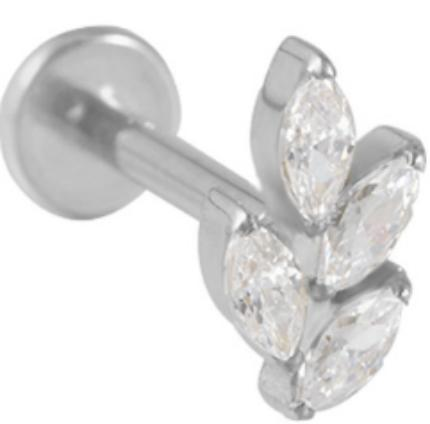
Changing your jewellery is one of the great joys of having piercings. It is how a single piercing becomes a canvas you can restyle whenever the mood takes you. Done properly it is quick, clean and painless. Done carelessly, or too soon, it can irritate a piercing or leave you wrestling with a stubborn clasp. This guide covers how to change each common style of jewellery safely, and just as importantly, when not to.
As with everything, the golden rule is gentleness. Your piercing will reward calm, clean, unhurried handling far more than force. Let us start with the most important rule of all.
First rule: only change a healed piercing
Do not change the jewellery in a piercing that has not fully healed. Swapping too early reopens the healing channel, invites bacteria and can set you back weeks. Lobes are usually ready within a couple of months, but cartilage piercings often take many months to a year, and the outside looks healed long before the inside is done. If you are not certain, ask your piercer to confirm before your first change. My guide on what to expect while a piercing heals explains the timelines in more detail.
Clean hands, clean jewellery
Before you touch anything, wash your hands thoroughly and make sure the new piece is clean. Work over a soft surface, like a folded towel, so a dropped top does not bounce away or pick up grit. Good light and a mirror help enormously, and there is no prize for rushing. Setting up properly is half the job.
Threadless, or push in, jewellery
Threadless is wonderfully simple. To remove a top, hold the bar steady from behind with one hand so it does not turn in your piercing, then pull the top straight out with the other hand. Do not twist it, because there is no screw thread. To insert, give the little pin on the top the tiniest bend, line it up with the hollow bar and push it gently straight in until it seats. My full guide on threadless versus threaded jewellery has step by step detail if you would like it.
Threaded jewellery
Threaded pieces use a screw. Internally threaded jewellery has the screw on the top and a threaded hole in the bar, so you hold the bar steady and gently turn the top anti clockwise to loosen and clockwise to tighten. Take care not to cross the tiny thread, and never overtighten. Externally threaded jewellery, where the thread is on the bar, is best avoided for anything going through your skin, but if you have it, the same gentle turning applies.
Rings and clickers
Hoops come in a few styles. A clicker has a hinged segment that opens and clicks shut, and it is the easiest ring to live with, since you simply open the hinge, pass it through and click it closed. A seamless ring is a plain continuous circle that you gently twist open sideways, never pull apart, and twist closed again. Twisting keeps the shape true, whereas pulling the ends straight apart distorts it. If a ring feels like it needs force, stop and let your piercer help.
Flat back labrets
A flat back labret has a flat disc that sits behind the piercing and a decorative top at the front. With a threadless flat back you remove the front top as described above, and the flat disc and bar stay comfortably in place or slide out gently as one. The flat back is part of why these are so easy to live with, as there is no fiddly butterfly clasp hiding behind your ear.
If a piece will not budge
Sometimes a top feels stuck. Resist the urge to yank it. For threaded pieces, a clean dry grip and patience usually work, and a piercer can help if a thread has seized. For threadless, make sure you are pulling straight and holding the bar still rather than fighting against a turning piece. If something genuinely will not move, a two minute visit to your piercer will save you a sore piercing. There is no shame in it, and it is exactly what they are there for.
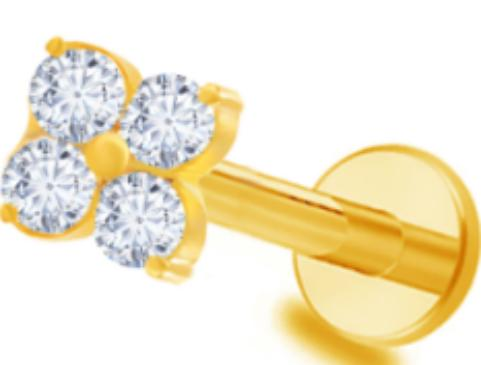
Retainers and keeping the hole open
If you need to hide a piercing for work or an event, a clear or subtle retainer keeps the channel open without an obvious piece of jewellery. Remember that healed piercings, especially in cartilage, can shrink or close faster than you expect if left empty, so if you love a piercing, keep something in it even when you are not styling it.
Hygiene, storage and downsizing
Give jewellery a wipe before it goes in and store your tops somewhere they will not get scratched or lost, a small dish or a lined box is perfect. If your piercing is newly healed and still on its first, longer bar, ask your piercer about downsizing to a shorter length, which makes everyday wear and future changes more comfortable. Look after your pieces and they will look after you, ready to restyle whenever you fancy a change.
Once you are comfortable changing your own jewellery, a whole world of styling opens up. Mix your metals, swap a stud for a sparkle, add a hoop for movement, all from a small, well chosen collection. Take it slow at first, and it will soon feel like second nature.
How often can you change your jewellery?
Once a piercing is fully healed, you can change your jewellery as often as you like, and part of the fun of piercings is doing exactly that. The only real limits are gentleness and hygiene. Changing several times in one day is fine if you are careful, but if a piercing starts to feel tender after a lot of handling, give it a rest for a day or two. Listen to it, and it will tell you when you have fussed enough.
Changing a top versus changing the whole piece
There are two kinds of change, and they are not equally easy. Swapping just the decorative top on a threadless or internally threaded piece is quick and low risk, since the bar stays put in your piercing the whole time. Changing the entire piece, bar and all, means passing new jewellery through the piercing and asks for a little more care and cleanliness. When you just want a new look, changing only the top is the gentlest option, which is one of the joys of an interchangeable system.
Travel, events and spares
Life sometimes calls for hiding or simplifying your piercings, and a little planning helps. A clear or skin toned retainer keeps a healed piercing open discreetly for work or formal occasions. It is also wise to carry a spare top or two when you travel, because tiny pieces do occasionally go astray, and a healed piercing you love is worth keeping filled. A small pouch tucked in your bag saves a lot of stress.
A little kit worth keeping
You do not need much, but a small change kit makes life easier and safer. Keep some sterile saline, a clean lint free cloth, a little dish to hold pieces so they do not roll away, and a spare flat back or two. Store your collection of tops somewhere they will not scratch, like a lined box. With these few things to hand, changing your jewellery becomes a calm two minute ritual rather than a scramble, and your piercings stay happier for it.
Warm up a stiff piercing first
If a piece feels reluctant to move, a little warmth works wonders. Changing your jewellery just after a warm shower, when the tissue is relaxed and supple, makes insertion and removal noticeably easier and more comfortable than trying on cold, tense skin. Never force anything, and if it still resists, that is your cue to pause rather than push. A relaxed piercing cooperates, a fought one complains.
If you drop or lose a piece
Tiny tops and backs do occasionally escape, which is exactly why a spare or two is worth keeping. If a piece falls somewhere questionable, do not simply pop it straight back in, as it needs a clean first. Give it a wipe, make sure your hands are clean, and only then reinsert. And if you lose a top from a healed piercing, slot any clean spare into the bar to keep the channel open while you find or order a replacement, since healed piercings can shrink faster than you would think.
Once changing your jewellery feels natural, a small collection starts to feel much bigger, because every piece can be worn a dozen ways. Take it slowly at first, keep everything clean, and be gentle, and you will soon be restyling your ear on a whim. That freedom to change your look in a few quiet minutes is one of the loveliest things about a well chosen set of pieces, and it only gets more fun with practice.
Trusted sources
Before you change a piece, it helps to read the Association of Professional Piercers on aftercare and healing and on what makes jewellery appropriate, so you change only a healed piercing and only into something safe.
Gemma
Leave a Reply