
Few things worry a new piercing owner more than a small bump appearing next to a fresh piercing. The good news is that most bumps are common, harmless and fixable, and they are almost never a reason to panic or to rip the jewellery out. The key is understanding what kind of bump you are dealing with, what caused it, and what genuinely helps versus what makes things worse. This guide walks through all of that calmly.
A quick and important note first: this is general information, not medical advice. If a bump is very painful, hot, spreading or oozing, or if you feel unwell, see your piercer or a doctor. With that said, let us demystify the humble piercing bump.
What a piercing bump actually is
A piercing bump is a small raised area of tissue that forms near a piercing, usually during healing. Most of the time it is your body reacting to irritation, a little pocket of inflammation or trapped fluid that appears because something is bothering the piercing. It is a message rather than a disaster, and once you find and remove the cause, the bump usually settles down over time.
Irritation bump, infection, or scar
It helps to tell these apart. An irritation bump is the most common, often a small flesh coloured or slightly pink lump that comes up after a knock, a bad night of sleep or a change in jewellery. An infection is less common and looks different, with heat, increasing pain, redness that spreads, and thick coloured discharge, and it needs prompt professional attention. A hypertrophic scar is a raised scar that can form as the piercing heals, and a keloid is a rarer, larger scar that grows beyond the original site. Most bumps people worry about are simple irritation bumps.
The usual causes
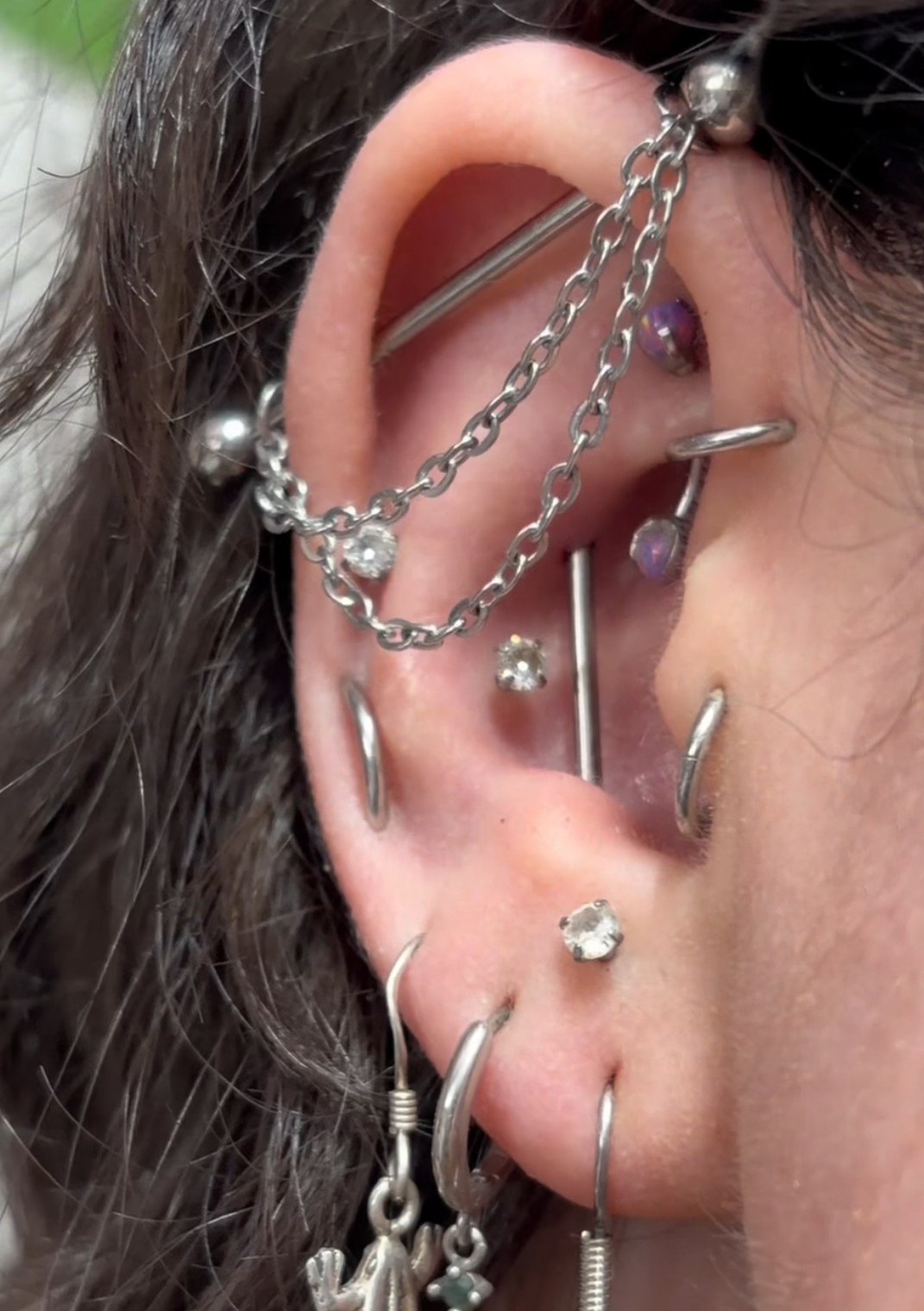
Irritation bumps almost always trace back to something physical. The most common culprits are knocking or catching the piercing, sleeping on it, and jewellery that is the wrong size or is being changed too soon. Jewellery made from poor quality metal is another frequent cause, because a reactive metal keeps the piercing inflamed. Over cleaning is a surprising one too, since scrubbing a piercing several times a day irritates it just as much as neglect does. Touching the piercing with unwashed hands rounds out the list.
What not to do
When a bump appears, the instinct is to attack it, and that is usually the wrong move. Do not try to pop or squeeze it, as there is generally nothing to pop and you will only inflame it further. Do not increase your cleaning to several times a day. Do not slather it in random home remedies, some of which, like tea tree oil or harsh disinfectants, can burn delicate healing skin. And do not simply remove the jewellery, because taking it out of a partly healed piercing can trap the irritation inside or let the piercing close over a problem.
What actually helps
The real fix is almost always to remove the cause and give it time. Work out what is irritating the piercing and address it, whether that means being more careful not to knock it, changing your sleep position, or having your piercer check the fit of your jewellery. Keep up a simple, gentle saline routine as covered in the aftercare guide, no more and no less. Then be patient, because irritation bumps often take weeks to fade even after the cause is gone. Slow and steady wins here.
The role of the right jewellery
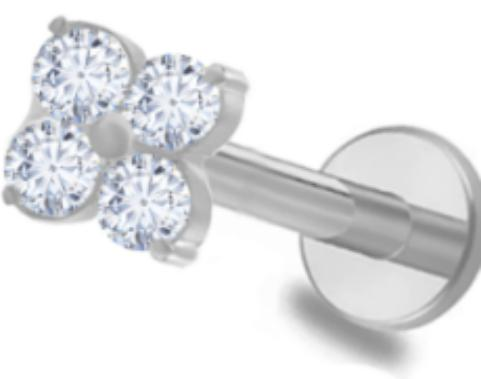
Two jewellery factors cause a lot of avoidable bumps. The first is material. A piercing healing against a reactive metal that contains nickel can stay grumpy no matter how careful you are, which is why nickel free implant grade titanium matters and why my guide on safe metals is worth a read. The second is size. Jewellery that is too long, too heavy or the wrong gauge keeps moving and tugging, and that constant motion is a classic bump trigger. The size guide helps you get the fit right.
When to see your piercer
A reputable piercer would far rather you came in with a question than struggled alone, so do not be shy. See them if a bump is not improving after you have addressed the obvious causes, if you are unsure whether your jewellery fits, or if you simply want reassurance. See a doctor promptly if you have signs of infection such as spreading redness, heat, throbbing pain, fever or thick discharge. Getting eyes on a problem early is always easier than fixing a bigger one later.
Preventing bumps in the first place
Prevention is mostly about the boring basics done well. Choose a good piercer and quality implant grade jewellery from the start. Keep aftercare simple and consistent. Protect the piercing from knocks and pressure while it heals, especially at night. Do not change your jewellery until it is fully healed. And accept that healing takes months, so the patience you show early on is what spares you trouble later. Do these things and bumps become the exception rather than the rule.
Above all, try not to let a small bump steal your excitement. They are a normal part of many piercing journeys, they are usually simple to resolve, and with a little care your piercing has every chance of settling into something you love.
How long does a bump take to go?
This is the hardest part to accept, because the honest answer is that it can take a while. Once you have removed whatever was irritating the piercing, an irritation bump often fades over several weeks, and sometimes a couple of months, rather than disappearing overnight. The bump usually shrinks gradually and quietly, and it is easy to feel discouraged in the middle of that slow progress. Try to judge success by the trend over weeks rather than day to day, because slow improvement is still improvement.
The over cleaning trap
It feels logical that if a piercing is unhappy you should clean it more, but the opposite is often true. Cleaning a piercing several times a day, or scrubbing at it, strips away the natural moisture the skin needs to heal and leaves it irritated and dry. Harsh products make this worse. The gentlest routine is usually the most effective one, which is a light saline clean once or twice a day and otherwise leaving the piercing alone. If in doubt, do less, not more.
Sleep, the sneaky culprit
A huge number of cartilage bumps are caused simply by sleeping on the piercing. Hours of pressure every night, often without you realising, keep a piercing inflamed and can bring up a bump that no amount of cleaning will shift while the pressure continues. If you can, sleep on the other side, and consider a travel pillow with a hole in the middle, which many people swear by for taking pressure off a healing ear. Fixing your sleep position alone resolves a surprising number of stubborn bumps.
A quick myth buster
A few pieces of popular advice do more harm than good. Twisting or rotating the jewellery is old guidance that only irritates a modern piercing, so leave it still. Undiluted tea tree oil and harsh disinfectants can burn healing skin and are best avoided. Homemade sea salt soaks are easy to mix too strong, which is why a correctly balanced sterile saline is the safer choice. And there is nothing to draw out or squeeze from an irritation bump, so please do not try. When in doubt, keep it simple and ask your piercer.
When a bump is really a scar
Occasionally what looks like a bump is actually scar tissue rather than simple irritation. A hypertrophic scar is a raised scar that forms right at the piercing and often improves slowly over many months once the irritation behind it is resolved. A keloid is rarer and larger, growing beyond the original site, and it is something to have looked at by a professional rather than treated at home. The important thing is not to attack either one with harsh remedies, as aggressive self treatment tends to inflame scars further. Gentle care and a professional opinion are the safe route.
Give good jewellery a chance to help
If a piercing has been stubborn despite careful aftercare, the jewellery itself is one of the first things worth reviewing. Switching from a reactive metal to nickel free implant grade titanium removes a very common source of ongoing irritation, and my guide on safe metals explains why the material matters so much. Having your piercer check that the size and length are right, and downsizing if your initial bar is now too long, removes another frequent cause. Fix the jewellery, keep the routine gentle, and give it time.
Try to keep it all in perspective. A piercing bump is one of the most common things that happens on the way to a healed piercing, and the overwhelming majority settle with nothing more than a small change and a lot of patience. Address the cause, keep your routine gentle, wear body safe jewellery, and give it the weeks it needs. If you are ever unsure, a quick message to your piercer is always worth it.
Trusted sources
For independent guidance, the Association of Professional Piercers explains normal healing in their aftercare information, and if you suspect a metal reaction, DermNet covers nickel allergy. Their notes on appropriate jewellery can also help rule out a jewellery cause.
Gemma
Leave a Reply